








Close your eyes for a moment and picture a child, their laughter echoing, their tiny hands reaching out to explore the world, or their mischievous grin as they play in a sunlit courtyard. Did an image come to mind? It might not have been someone you know personally, yet that image carries the weight of a universal truth, children are the most precious and vulnerable members of our society.
Across India, millions of children face challenges that many of us cannot imagine. From hunger and poor health to lack of education and protection, their childhoods are often filled with struggles rather than opportunities. Yet, amid these hardships, the resilience and potential of every child remain extraordinary.
The Invisible Struggles of Children
India is often called a land of villages, with over 70 percent of its population residing in rural areas according to the Census of India, 2011. In these villages, life for children is far from idyllic. Many are compelled to work in agriculture or domestic labour at ages when they should be exploring, learning, and simply being children. Their small hands, instead of holding pencils or toys, grip tools and utensils, performing chores that deprive them of a normal childhood.
Behavioural and emotional signs of abuse or neglect can often go unnoticed. Children may display aggression, withdrawal, anxiety, poor hygiene, frequent hunger, or developmental delays. They may avoid certain people, flinch at sudden movements, or take on excessive responsibilities at home, caring for siblings or parents due to illness, disability, or neglect. In today’s digital age, risks have expanded. Social media platforms, while offering connection, also expose children to cyberbullying, body image pressures, and unsafe content. A 2021 Senate report on Instagram revealed that one in three teenage girls reported worsened body image due to the platform, while 24 percent faced unwanted sexual advances and 17 percent encountered self-harm content (Senate Subcommittee on Consumer Protection, 2021). These modern risks highlight the urgent need for vigilance, education, and responsible adult intervention to safeguard young people.
Health and Nutrition as the Foundation of a Thriving Childhood
Health and nutrition are not mere conveniences; they form the very foundation of childhood development. Malnutrition, whether acute or hidden, directly impacts cognitive development, immunity, and emotional wellbeing. According to UNICEF (2020), 35 percent of children under five in India suffer from stunting, while 17 percent are wasted. Children who are undernourished face lifelong disadvantages, including slower learning, higher susceptibility to disease, and increased mortality risk.
Mental health is equally critical. Children experiencing abuse or neglect have higher rates of anxiety, depression, and social withdrawal as reported by the World Health Organization (2021). Early interventions, including access to healthcare, proper nutrition, and safe living environments, are essential for breaking cycles of disadvantage and ensuring that children reach their full potential.
Protecting Children through Policy and Action
Protection is not only about preventing harm; it is about creating systems where children can thrive. India’s legal framework offers a strong foundation, with acts such as the Juvenile Justice Act of 2015, the Protection of Children Against Sexual Offences Act of 2012, the Right to Education Act of 2009, and child labour laws designed to safeguard children. However, legislation alone is insufficient without proper implementation.
Research and experience show that effective child protection requires a multi-layered strategy. This includes understanding local contexts, laws, and government schemes, identifying gaps between legislation and real-life challenges, and engaging communities to support children. Policy-level advocacy is also crucial, ensuring that systemic issues are addressed and that interventions reach the children who need them most. Immediate relief through education, nutrition programs, and awareness campaigns is equally important to prevent harm and promote wellbeing.
Every effort, no matter how small, matters. As Nobel Laureate Kailash Satyarthi said, a bird keeps bringing water to a burning forest. Though small, its efforts count. Individual actions, whether calling a helpline like 1098, mentoring a child, or supporting community initiatives, can create ripples that transform entire communities.
Bridging Awareness and Action
Society often responds swiftly to visible crises, yet the silent struggles of children remain overlooked. Recognizing signs of harm, such as behavioural changes, unexplained injuries, neglect, or mental distress, is the first step. The next step is decisive action, including intervention, advocacy, and systemic reform.
A Call to Collective Responsibility
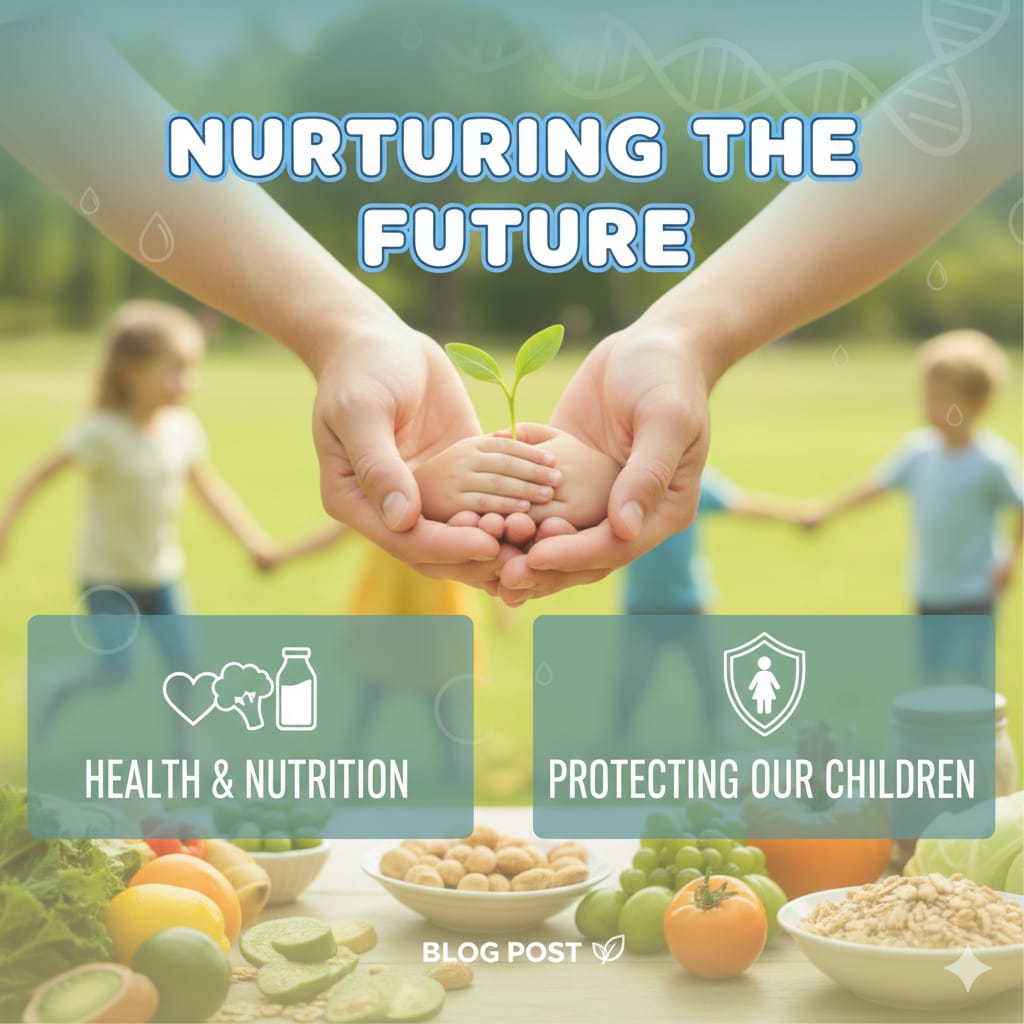
The wellbeing of children is not a distant policy debate, it is a moral imperative, a social responsibility, and the foundation of a nation’s future. Health, nutrition, education, and protection are interconnected pillars of a child-friendly society. Every stakeholder, including parents, teachers, policymakers, and citizens, plays a vital role in creating an environment where children can flourish.
Change begins with small steps. Every child rescued, every meal provided, every educational opportunity offered, and every policy implemented brings society closer to valuing its youngest citizens as much as its most celebrated achievements. Acting, learning, and innovating for children today ensures that future generations will have the opportunity to grow, learn, laugh, and thrive. In doing so, we build not just a nation, but a future worthy of every child’s potential.
References
Census of India. 2011. Primary Census Abstracts. Government of India.
UNICEF. 2020. The State of the World’s Children 2020. New York: United Nations Children’s Fund.
World Health Organization. 2021. Childhood and Adolescent Health. WHO Press.
Senate Subcommittee on Consumer Protection. 2021. Instagram’s Internal Research on Teen Mental Health. U.S. Senate.
Kailash Satyarthi Foundation. n.d. Child Rights Advocacy and Models of Intervention.